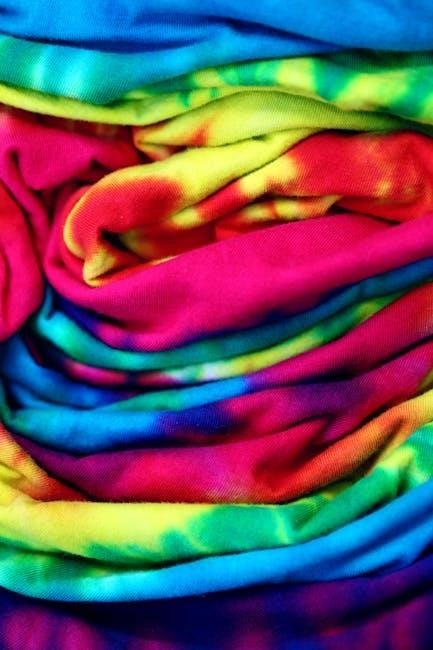
Tie dye is a vibrant art form, but maintaining its brilliance requires specific care instructions. Proper washing and drying techniques are crucial for preventing fading and color bleeding.
Understanding dye reactivity and initial rinsing processes will ensure your creations remain colorful and last for years to come, preserving the artistry.
What is Tie Dye and Why Proper Care Matters
Tie dye involves folding, twisting, and binding fabric before applying dye, creating unique patterns. Proper care is vital because dyes, like Tulip dyes, can vary in saturation and reactivity.
Without a soda ash soak, color bonding may be incomplete, leading to fading. Initial cold water rinses remove excess dye and soda ash, preventing color transfer during subsequent washes. Careful washing preserves vibrancy and prevents disappointment.
Preparing Your Tie Dye for Washing
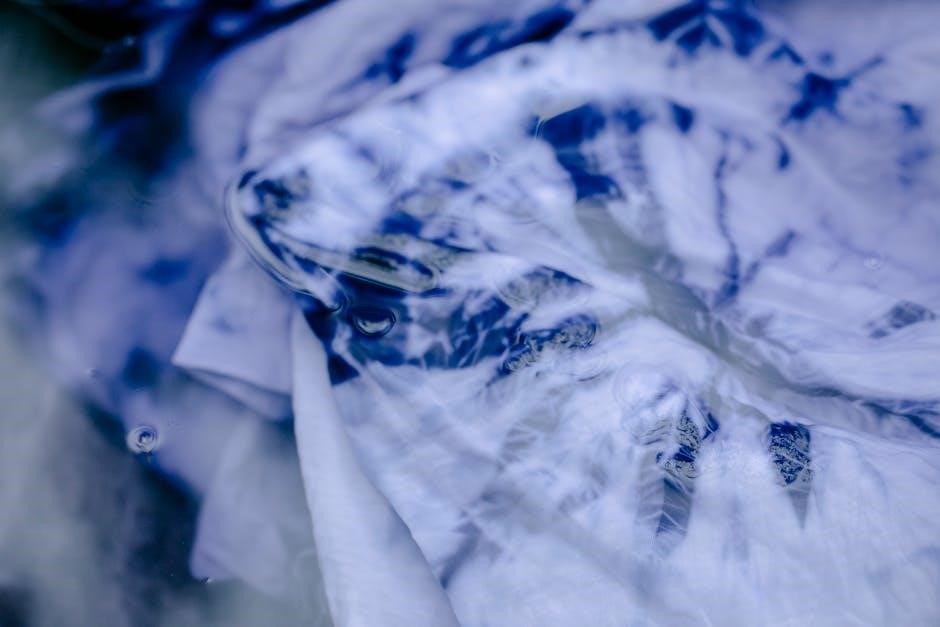
Initial rinsing is key, starting with cold water to remove soda ash. Gradually increase the water temperature until the runoff is completely clear.
Initial Rinse: Removing Excess Dye
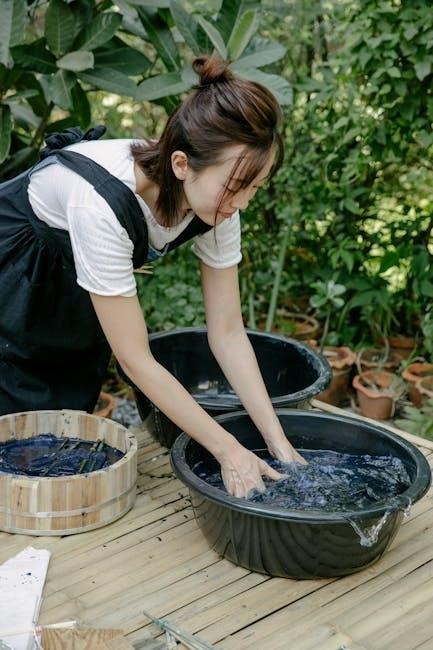
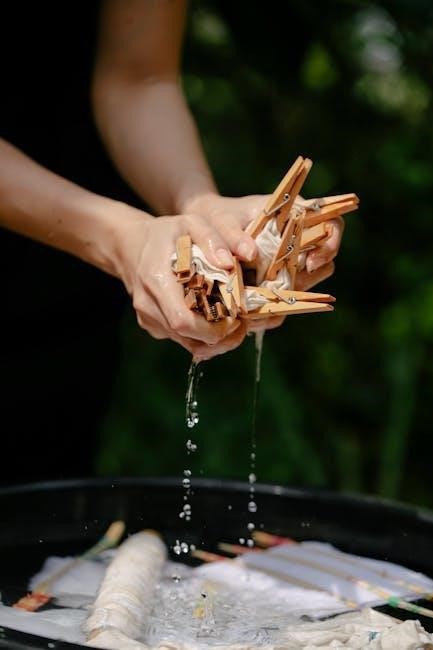
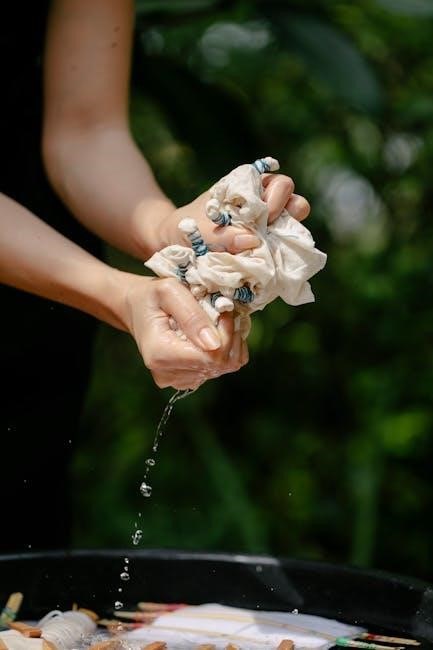
The first rinse is vital for removing unbonded dye particles and residual soda ash. Begin with cold water, as this minimizes color bleeding and prevents further dye reaction. Gently agitate the fabric in the sink, observing the water’s color.
Continue rinsing, gradually increasing the water temperature, until the water runs clear, indicating most of the excess dye has been eliminated. This step is foundational for vibrant, long-lasting results.
Importance of Cold Water Rinse
Cold water is paramount during the initial rinse because it slows down any remaining dye reactivity. Using warm or hot water at this stage can cause further dye bonding, potentially leading to unwanted color shifts or bleeding during subsequent washes.
A cold rinse effectively removes loose dye and soda ash without setting the color prematurely, preserving the vibrancy and integrity of your tie-dye masterpiece.
Washing Your Tie Dye for the First Time
Initial washes benefit from hot water to help set the dye, followed by a final wash with fabric softener for optimal softness and color retention.
Using Hot Water for Initial Washes
Hot water during the first few washes is surprisingly beneficial for tie dye, especially when using certain dye brands like Tulip. It actively aids in fully setting the dye within the fabric fibers, preventing excessive bleeding later on.
However, remember to follow up with cold water rinses and a final wash incorporating fabric softener to maintain the garment’s texture and vibrancy. This process ensures long-lasting color!
The Role of Fabric Softener
Fabric softener plays a key role in the final stages of washing your tie dye creations. After several hot water washes to set the dye, a softener helps restore the fabric’s original softness, which can be lost during the dyeing and rinsing process.
It also contributes to brighter, more comfortable garments, enhancing the overall enjoyment of your uniquely designed tie-dye pieces. Don’t skip this step!
Preventing Color Bleeding
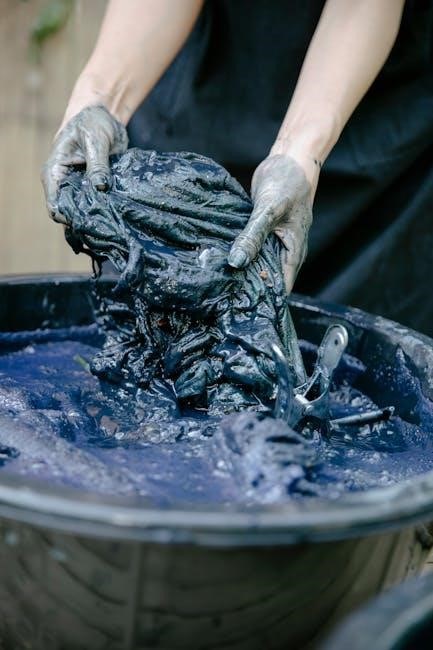
To prevent color bleeding, always wash new tie dye items with similar colors. Utilizing color catchers during the initial washes is also highly recommended for peace of mind.
Washing with Similar Colors
When washing tie dye, a crucial step in preventing color bleeding is segregation. Always wash your newly dyed items with garments of similar colors – think blues with blues, reds with reds, and so on.
Avoid mixing bright, intensely colored tie dye with whites or light-colored fabrics during the first few washes, as residual dye can transfer. This simple practice significantly minimizes the risk of unwanted color transfer and keeps your tie dye looking vibrant.
Using Color Catchers
For added peace of mind when washing your tie dye, especially during initial washes, incorporate color catcher sheets into the laundry cycle. These sheets are designed to attract and trap loose dyes released from fabrics, preventing them from re-depositing onto other items in the wash;
They’re a simple, inexpensive insurance policy against accidental color bleeding, ensuring your tie dye and other clothes stay beautifully colored.
Drying Your Tie Dye
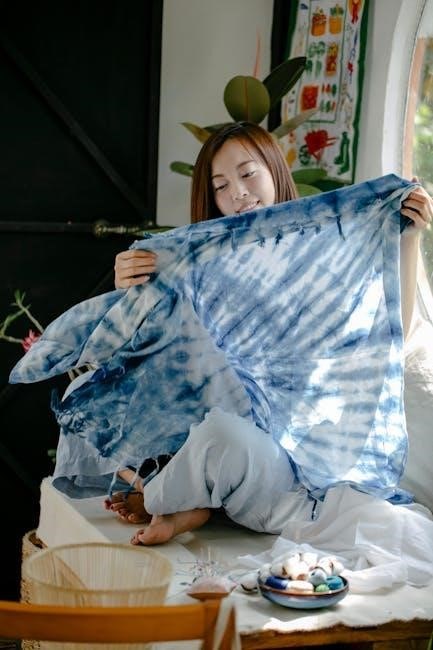
Drying methods significantly impact color fixation. Air drying is preferred, but machine drying on low is acceptable; Avoid direct sunlight, as it can cause fading.
Air Drying vs. Machine Drying
Air drying is generally the gentlest option for tie dye, preserving color vibrancy and preventing shrinkage. Laying items flat or hanging them indoors, away from direct sunlight, is ideal. Machine drying can be used, but select a low heat setting to minimize fading and potential damage.
High heat can cause the dye to set unevenly or even bleed, so caution is advised. Consider a quick tumble on low followed by air finishing for best results.
Avoiding Direct Sunlight
Direct sunlight is a significant enemy of vibrant tie dye! Prolonged exposure causes colors to fade and break down, diminishing the artwork’s brilliance. When air drying, always choose an indoor location or a shaded outdoor area.
Even after washing, storing tie-dyed items away from direct sunlight will help maintain their color intensity for years, preserving the initial vibrancy of the design.
Maintaining Vibrancy Over Time
Consistent care is key! Washing inside out and utilizing gentle detergents will protect the dye, preventing fading and ensuring long-lasting, brilliant colors.
Washing Inside Out
Turning tie-dye garments inside out before washing is a simple yet incredibly effective method for preserving color vibrancy. This minimizes friction during the wash cycle, reducing dye loss and preventing fading.
Direct exposure of dyed fabric to the washing machine’s agitation can cause significant color wear. By washing inside out, you shield the dyed surface, extending the life and brilliance of your tie-dye creations.
Using Gentle Detergents
Opting for gentle, color-safe detergents is paramount when washing tie-dye. Harsh chemicals and strong enzymes found in many detergents can strip the dye from the fabric, leading to noticeable fading over time.
Avoid detergents with bleach or brighteners, as these are particularly damaging to vibrant colors. A mild detergent will effectively clean your tie-dye without compromising its beautiful, unique hues.
Addressing Dye Saturation Issues
Poor dye saturation can often be remedied with a soda ash soak before dyeing. Alternatively, consider switching to Procion MX dyes for more vibrant, lasting results.
The Soda Ash Soak Method
To enhance dye absorption, especially with Tulip dyes, a soda ash soak is highly recommended. Dissolve approximately half a cup of Arm & Hammer Super Washing Soda in warm water within a container.
Submerge two to three shirts, ensuring they are fully saturated, and soak for 25-60 minutes. Spin the shirts in the washing machine until barely damp before applying dye; this prepares the fabric for optimal color bonding.
Alternative Dye Brands (Procion MX)
For superior saturation and vibrancy, consider Procion MX dyes as an alternative to Tulip. Available on Amazon, Dharma Trading Company, and Happy Cat, these dyes offer a wider color range and improved bonding.
You can purchase 4oz increments, even limited edition colors, often for $11-$14. Procion MX generally provides more consistent and long-lasting results, especially when paired with a soda ash pre-soak.
Bagging and Dampness During Batching
Maintaining dampness is key! Bag each dyed item – grocery sacks work well – to prevent drying during the crucial batching process, ensuring proper dye bonding.
Importance of Keeping Fabric Damp
Keeping the fabric consistently damp during batching is absolutely vital for successful tie dye. If the dye dries before fully reacting, the color won’t permanently bond with the fibers. This results in faded, washed-out results and a disappointing final product.
The chemical reaction needs moisture to complete; think of it as the dye ‘setting’ while wet. Utilize plastic bags or wrap to trap humidity and maintain that essential dampness throughout the entire batching timeframe.
Using Plastic Bags for Batching
Plastic bags are an incredibly effective and accessible method for maintaining dampness during the tie dye batching process. Grocery sacks work wonderfully, individually wrapping each dyed item to create a humid microclimate.
Ensure the bag isn’t airtight, allowing some air exchange, but preventing complete drying. This simple step dramatically improves dye absorption and color vibrancy, leading to a more satisfying and long-lasting tie dye result.
Understanding Dye Reactivity
Dye bonding is a chemical process; complete reaction requires damp fabric; Drying prematurely hinders this, causing poor color fixation and potential fading, impacting vibrancy.
The Chemical Process of Dye Bonding
Reactive dyes, like Procion MX, form a covalent bond with cellulose fibers – essentially becoming part of the fabric. This isn’t a surface coating! Soda ash (washing soda) is vital; it raises the pH, enabling the dye to react.
Keeping the fabric damp during “batching” is critical because this allows sufficient time for the chemical reaction to fully occur. If it dries too quickly, the dye won’t properly bind.
Impact of Drying on Color Fixation
Drying significantly impacts color fixation in tie dye. Premature drying before the batching period ends halts the dye-fiber bonding process, resulting in faded or washed-out colors. Maintaining dampness throughout batching is paramount.
Even after washing, avoid high heat during drying, as this can also loosen the dye molecules. Air drying, or a low-heat cycle, preserves vibrancy and ensures long-lasting, brilliant results.
Dealing with Specific Dye Types
Tulip dye often requires a soda ash pre-soak for optimal saturation, while reactive dyes like Procion MX generally offer superior colorfastness and vibrancy.
Tulip Dye Considerations
Tulip dye, a popular choice for beginners, can sometimes exhibit less vibrant results compared to professional-grade dyes. A crucial step is pre-treating fabric with a soda ash solution – readily available as Arm & Hammer Super Washing Soda at many stores.
Soaking the fabric for 25-60 minutes prior to dyeing significantly improves dye absorption and color saturation. Without this step, colors may appear faded or wash out quickly.
Reactive Dyes and Their Care
Reactive dyes, like Procion MX, offer superior colorfastness and vibrancy compared to many consumer brands; These dyes form a strong chemical bond with fabric fibers, resulting in long-lasting color. However, proper rinsing is still essential.
Begin with cold water to remove excess soda ash, gradually increasing the temperature until the water runs clear. This ensures all unreacted dye is removed, minimizing potential bleeding during future washes.
Long-Term Storage of Tie Dye
Proper storage protects your tie dye’s vibrancy. Fold items carefully, shielding them from direct light and moisture to prevent fading and maintain color integrity.
Folding and Storing Techniques
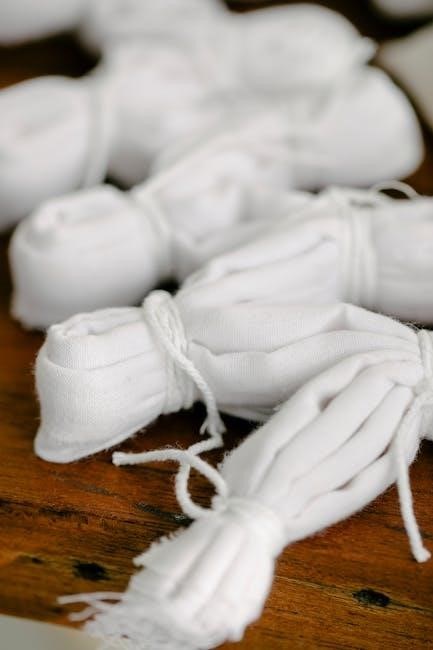
To maximize longevity, avoid tightly folding tie-dye items, as this can cause creasing and potential color distortion. Instead, loosely roll or fold them, minimizing harsh bends. Store in a cool, dark place, away from direct sunlight, which is a primary cause of fading.
Consider using acid-free tissue paper between folds for added protection. Avoid plastic containers that trap moisture; breathable cotton bags are ideal for long-term preservation of vibrant colors.
Protecting from Light and Moisture
Prolonged exposure to light, especially sunlight, significantly contributes to color fading in tie-dye. Store items in dark closets or drawers to mitigate this effect. Moisture can also impact dye stability, leading to potential mildew or color shifts.
Ensure items are completely dry before storage and avoid damp environments. Breathable storage solutions, like cotton bags, are preferable to plastic, which traps humidity and accelerates fading.
Troubleshooting Common Issues
Faded colors often result from insufficient dye saturation or prolonged sun exposure. Color run typically occurs during the initial washes if the dye wasn’t fully fixed.
Faded Colors
Faded colors in tie dye often stem from inadequate preparation before dyeing, specifically skipping the soda ash soak. This crucial step ensures proper dye bonding. Additionally, insufficient dye concentration or allowing the fabric to dry out during the batching process can contribute to fading.
Prolonged exposure to direct sunlight also significantly diminishes vibrancy. Washing dyed items inside out and using gentle detergents can help mitigate color loss over time.
Color Run
Color run, or bleeding, typically occurs when tie dye isn’t thoroughly rinsed before washing. Initial cold water rinses are vital for removing excess, unbonded dye and residual soda ash. Always wash new tie dye items separately or with similar colors to prevent dye transfer.
Employing color catchers during the first few washes is also highly recommended to absorb any released dye, safeguarding other garments.
Resources for Tie Dye Information
Dharma Trading and Happy Cat offer dyes and advice. Explore the Facebook Tie Dye Marketplace group for limited editions and community support for all your needs!
Online Retailers (Dharma Trading, Happy Cat)
Dharma Trading Co. is a comprehensive resource, providing Procion MX dyes in various colors and quantities, alongside detailed instructions and supplies. Happy Cat similarly offers a wide selection of reactive dyes, plus helpful tutorials for beginners and experienced dyers alike.
Both retailers are excellent for sourcing quality materials and expanding your tie-dye knowledge, ensuring vibrant and long-lasting results. They also offer bulk options!
Facebook Tie Dye Marketplace Groups
Facebook Tie Dye Marketplace groups are vibrant communities where enthusiasts share tips, techniques, and even limited-edition dye colors. These groups offer a fantastic platform for troubleshooting issues and learning from experienced dyers.
You can often find 4oz increments of unique dye shades for reasonable prices, between $11 and $14. It’s a great resource for both product and advice!
Ensuring Longevity of Your Tie Dye
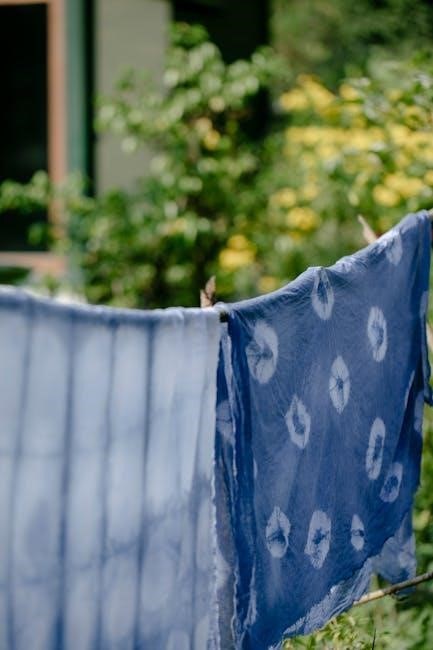
To maximize your tie dye’s lifespan, remember cold water rinses, gentle detergents, and washing inside out. Proper care preserves vibrant colors for years!
Recap of Key Care Instructions
Essential tie dye care begins with a thorough initial rinse in cold water, gradually increasing the temperature until clear. Always wash new tie dye in hot water, followed by a final wash with fabric softener.
Wash similar colors together, and consider color catchers to prevent bleeding. Air drying, avoiding direct sunlight, is best, and remember to wash items inside out using gentle detergents for lasting vibrancy!