
Pima Council on Aging Overview
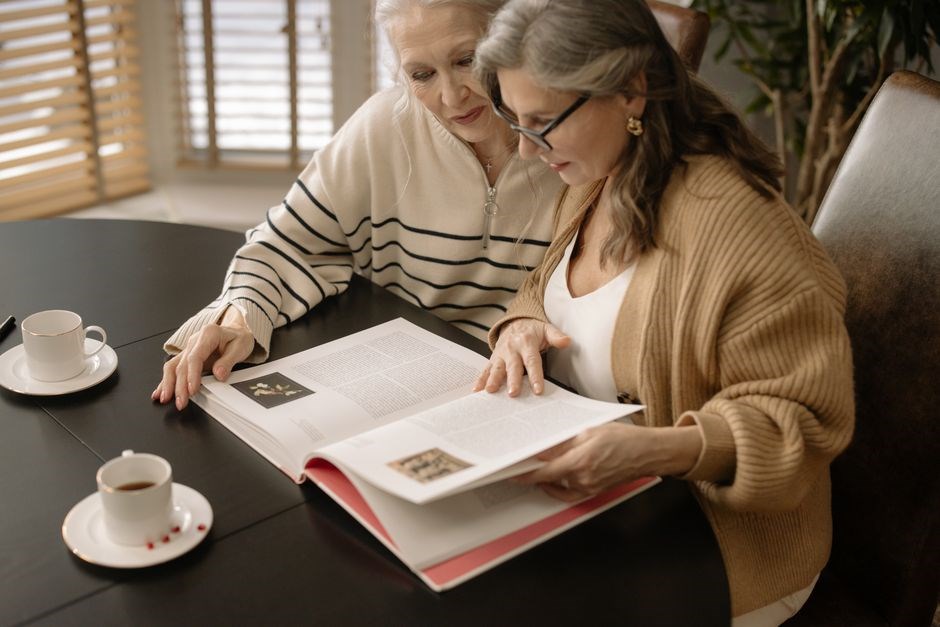
PCOA serves Pima County‚ coordinating senior services across Tucson‚ Oro Valley‚ Marana‚ Green Valley‚ and Sahuarita. It funds programs‚ provides information‚ referrals‚ and staff assessments‚ connecting residents to resources that promote independence and well‑being. and community support for all ages

Mission‚ Vision & Values
PCOA’s mission is to empower older adults in Pima County to live with dignity‚ independence‚ and purpose. By fostering collaboration among community partners‚ we strive to create a supportive environment where seniors can thrive socially‚ physically‚ and emotionally.
Our vision is a county where every older resident has access to the resources‚ information‚ and assistance needed to maintain health‚ safety‚ and connection. We envision a future where aging is celebrated‚ and seniors are active contributors to the community’s vitality.
Core values guide our work: respect for individual dignity‚ commitment to quality service‚ inclusivity‚ transparency‚ and a relentless focus on improving the well‑being of all older adults and their families.
PCOA is committed to fostering an inclusive environment where every older adult’s voice is heard and respected. We collaborate with local agencies‚ faith groups‚ and civic leaders to ensure that programs reflect the culturaland linguistic‚ and socioeconomic realities of Pima County.
Our values also emphasize transparency in decision‑making‚ accountability to the community‚ and a steadfast commitment to continuous learning and innovation. By measuring outcomes‚ gathering feedback‚ and adapting programs‚ we ensure that PCOA remains responsive and effective in meeting the evolving needs of older adults!!!!!!!
We envision a world where every older adult is respected‚ empowered‚ valued. and us
Service Areas Covered
PCOA serves the entire Pima County‚ ensuring that seniors in every community have access to comprehensive support. The agency’s outreach spans the major municipalities—Tucson‚ Oro Valley‚ Marana‚ Green Valley‚ and Sahuarita—alongside the numerous unincorporated areas that make up the county’s diverse landscape. Each locality receives tailored resources that reflect its unique demographic profile‚ economic conditions‚ and cultural makeup.
In Tucson‚ the hub of county services‚ PCOA coordinates a wide array of programs from health and nutrition to transportation and social engagement. Oro Valley’s residents benefit from specialized outreach that addresses the needs of a growing senior population‚ while Marana’s initiatives focus on accessibility and community integration. Green Valley’s programs emphasize preventive care and wellness‚ and Sahuarita’s services prioritize local partnerships and volunteer support.
Beyond these primary cities‚ PCOA extends its mission to smaller towns and rural communities‚ ensuring that every senior is left without reliable assistance. By maintaining a robust network of local agencies‚ volunteers‚ and health professionals‚ PCOA guarantees that every older adult in Pima County can find the help they need—whether it’s a quick phone call‚ a home visit‚ or a community event—right at their doorstep.
PCOA partners with local businesses‚ faith groups‚ and volunteers to weave a supportive network that keeps every older adult connected‚ respected empowered.
Information and Referral Services
PCOA’s Information & Referral Services connect seniors to local resources. Call 211 or visit the online directory for help with health‚ housing‚ transportation‚ and more. Staff assess needs and guide residents to appropriate programs‚ ensuring timely support. Accessible statewide assistance for senior.
PCOA’s 211 Resource Line is the county’s first point of contact for seniors and their families seeking assistance with a wide range of services. Dial 211 from any phone‚ and a trained dispatcher will quickly determine the type of support needed—whether it’s health care‚ housing‚ transportation‚ nutrition‚ or social engagement. The line is staffed 24/7‚ ensuring help is available whenever it is most needed. Each call is logged and routed to the appropriate local agency‚ guaranteeing that referrals are accurate and timely. In addition to immediate referrals‚ the 211 team offers brief counseling‚ helps with paperwork‚ and provides information on eligibility requirements for programs such as Meals on Wheels‚ home modification grants‚ and senior housing subsidies. For those who prefer digital communication‚ the PCOA website hosts an online chat feature that mirrors the phone service‚ allowing users to receive assistance from the comfort of their own homes. The 211 Resource Line also serves as a vital data collection tool‚ gathering information on community needs that informs future planning and resource allocation. By connecting residents to the right services quickly‚ the line helps maintain independence‚ improve health outcomes‚ and strengthen community ties across Pima County. The dispatchers are trained in geriatric care and cultural competency‚ and the line offers services in Spanish‚ Tagalog‚ and other languages common in the region. Users can request follow‑up calls to track progress. The 211 system integrates with the county’s electronic referral platform‚ allowing agencies to update status in real time. PCOA partners with local nonprofits to ensure that referrals are not only made but also followed up‚ reducing gaps in service delivery. Feedback from callers is routinely reviewed to improve the system’s responsiveness and to identify emerging community needs. Whether a senior is navigating a new medical diagnosis‚ looking for a caregiver‚ or simply seeking companionship‚ the 211 Resource Line is a reliable‚ confidential‚ and free resource that empowers residents to access the support they need without delay. The line also offers TTY and video relay services for callers with hearing or speech impairments‚ ensuring full accessibility. Call 211 any for help!.
Staff Assessment
PCOA staff conduct thorough‚ individualized assessments for seniors and their families‚ evaluating health status‚ functional abilities‚ social support‚ financial resources‚ and personal preferences. Using evidence‑based tools‚ assessors identify gaps in care and connect clients to appropriate county services—home health aides‚ transportation‚ nutrition programs‚ legal aid‚ and housing options. The process begins with a confidential interview‚ followed by a home visit if needed‚ to observe daily routines and environmental safety. Assessments are documented in a secure electronic system‚ ensuring privacy and compliance with state regulations. Once data are collected‚ staff collaborate with local agencies to develop a customized service plan‚ outlining goals‚ recommended resources‚ and timelines. Clients receive a written summary and a contact list of agencies‚ and staff schedule follow‑up calls to monitor progress and adjust the plan as circumstances change. The assessment team is trained in geriatric care‚ cultural competency‚ and crisis intervention‚ enabling them to address complex needs such as dementia‚ chronic illness‚ or financial hardship. PCOA also offers virtual assessments for those with mobility limitations‚ using secure video platforms. Throughout the process‚ staff maintain clear communication‚ provide education on available benefits‚ and advocate on behalf of clients to secure funding and services. The goal is to promote independence‚ safety‚ and quality of life for every senior in Pima County‚ ensuring that each individual receives the right support at the right time. Assessors also review Medicare and Medicaid eligibility‚ ensuring clients receive all benefits they qualify for. They coordinate with the county’s aging services network to schedule regular check‑ins‚ monitor health indicators‚ and adjust care plans. Staff are available 24/7 for urgent concerns‚ and they provide crisis counseling when necessary. The assessment process is iterative; after initial plan implementation‚ staff conduct quarterly reviews to assess effectiveness‚ address new challenges‚ and refine recommendations. PCOA’s commitment to continuous improvement means that assessment protocols are regularly updated based on best practices and client feedback. By integrating technology‚ training‚ and community partnerships‚ PCOA’s staff assessment service empowers seniors to maintain autonomy‚ stay connected to resources‚ and navigate the complexities of aging with confidence and dignity.

Meals on Wheels
Meals on Wheels delivers nutritious‚ balanced meals to seniors who are homebound or have limited mobility‚ ensuring they receive adequate nutrition and social interaction. The program operates across Pima County‚ serving Tucson‚ Oro Valley‚ Marana‚ Green Valley‚ and Sahuarita. Volunteers prepare and deliver hot‚ ready‑to‑eat meals‚ following strict food safety standards. Each delivery includes a brief check‑in‚ allowing staff to monitor health status and identify any new needs. Clients receive a variety of menu options‚ including vegetarian and low‑sodium choices‚ tailored to dietary restrictions. The service also offers a “Meal‑in‑Home” option for those who prefer to eat in their own kitchen‚ with delivery of pre‑packed ingredients and step‑by‑step instructions. Eligibility is based on age‚ income‚ and medical criteria‚ and applications can be submitted online or via the PCOA helpline. Meals on Wheels partners with local food banks‚ hospitals‚ and community organizations to secure fresh produce and reduce food waste. Volunteers undergo training in safe food handling‚ fall prevention‚ and basic health assessments. The program’s impact extends beyond nutrition; it provides a daily touchpoint that reduces isolation‚ encourages physical activity‚ and connects seniors to other services such as transportation and home health aides. PCOA coordinates scheduling‚ tracks delivery routes‚ and ensures compliance with state regulations. Funding comes from federal grants‚ state funds‚ and private donations‚ supporting the program’s sustainability.
Legacy Giving
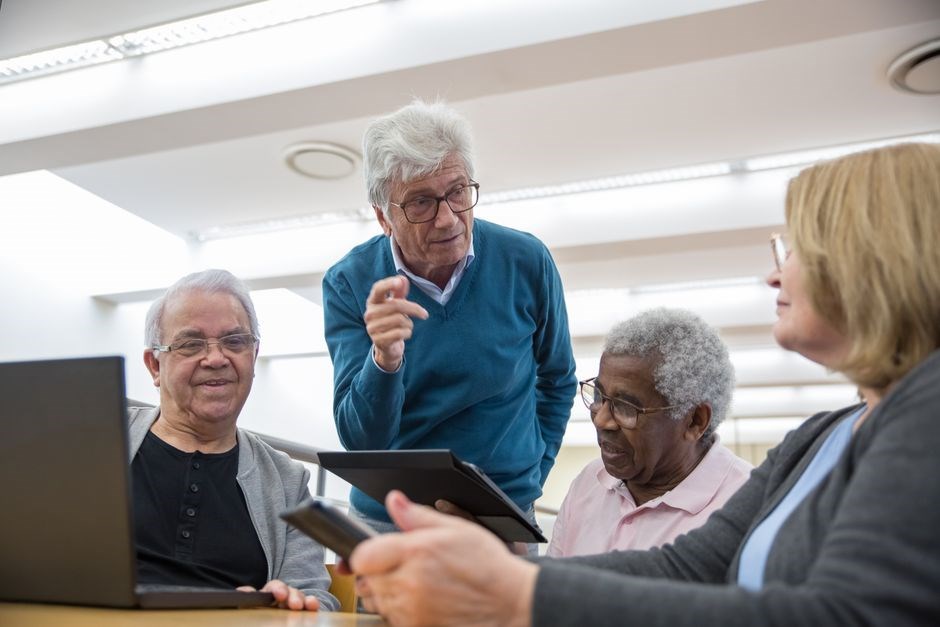
Legacy Giving at the Pima Council on Aging offers a meaningful way for residents and supporters to leave a lasting impact on senior services in Pima County. Through bequests‚ charitable gift annuities‚ and direct donations‚ individuals can help fund critical programs such as Meals on Wheels‚ transportation assistance‚ and health‑care outreach. The process is straightforward: donors designate PCOA as a beneficiary on their wills or estate plans‚ and the organization works with legal and financial advisors to ensure compliance with state and federal regulations. Contributions are tax‑deductible‚ providing a financial incentive while supporting community well‑being. PCOA’s Legacy Giving program also includes options for those who wish to honor a loved one‚ such as memorial scholarships for caregivers or naming opportunities for new facility expansions. The organization offers personalized guidance‚ educational resources‚ and annual updates on how legacy gifts are utilized‚ fostering transparency and trust. By participating‚ donors help secure long‑term funding‚ reduce reliance on fluctuating public budgets‚ and create a sustainable legacy that benefits generations of seniors. PCOA encourages families to discuss legacy giving early‚ ensuring that future plans align with the council’s mission to promote independence‚ dignity‚ and quality of life for older adults across the county. Donors’ gifts keep PCOA’s programs thriving‚ giving seniors access to meals‚ transportation and health services that uphold dignity independence

Advocacy and Key Legislation
PCOA actively engages in advocacy to protect and expand services for older adults in Pima County. The council monitors state and federal legislation that affects funding for senior programs‚ such as the Aging and Disability Resource Center Act and the Older Americans Act; By collaborating with local policymakers‚ PCOA ensures that budget allocations for Meals on Wheels‚ transportation‚ and health‑care outreach remain robust. The organization also lobbies for stronger consumer protection laws‚ advocating for transparent billing practices and accessible care options for seniors with disabilities. PCOA’s advocacy team organizes community forums‚ provides testimony at legislative hearings‚ and publishes position papers that highlight the needs of the aging population. Through these efforts‚ PCOA helps shape policies that promote independence‚ dignity‚ and quality of life for all older residents across the county. The council’s strategic partnerships with regional agencies and national aging organizations amplify its influence‚ ensuring that the voices of older adults are heard in every legislative discussion. PCOA’s commitment to advocacy guarantees that seniors receive the support and resources they need to thrive in a rapidly changing social and economic environment. PCOA also collaborates with the Arizona Department of Health Services to monitor the implementation of the Aging in Place program‚ ensuring that seniors receive home‑care services that keep them safe and independent. The council participates in the Arizona Aging Coalition‚ which works to secure state funding for community‑based programs and to advocate for policies that reduce isolation among older adults. Additionally‚ PCOA supports the development of senior housing policies that promote affordable‚ accessible living options throughout the county. By engaging in public hearings‚ PCOA provides data and testimonies that demonstrate the economic benefits of investing in senior services‚ such as reduced hospital readmissions and increased workforce participation among older adults. The advocacy focuses on tech access for seniors and resources help.
Access and Accommodations
PCOA ensures that all services and programs are fully accessible to seniors‚ regardless of physical or cognitive limitations. The council works with community partners to provide transportation assistance‚ home‑modification grants‚ and assistive technology that enable older adults to remain independent. PCOA’s staff conduct accessibility audits at local facilities‚ identifying barriers such as uneven walkways‚ inadequate signage‚ and lack of wheelchair ramps. They then collaborate with property owners to implement cost‑effective solutions. The council also offers a dedicated accessibility hotline that connects residents with resources for hearing aids‚ visual aids‚ and mobility devices. In addition‚ PCOA sponsors workshops on digital literacy‚ helping seniors navigate online health portals‚ tele‑health appointments‚ and virtual social events. PCOA offers affordable hearing‑loop systems for seniors. These initiatives are designed to reduce isolation and promote engagement in community life. PCOA’s commitment to inclusivity is reflected in its policy documents‚ which require all new programs to meet ADA standards and to provide multilingual support for Spanish‑speaking populations. The council regularly reviews service delivery to ensure compliance with state and federal accessibility mandates‚ and it publishes an annual accessibility report that highlights progress and identifies areas for improvement. By fostering a culture of accessibility‚ PCOA empowers seniors to live with dignity and autonomy across Pima County.

Never Too Late
PCOA’s Never Too Late program empowers seniors to pursue lifelong learning‚ creative expression‚ and community engagement at any age. The initiative offers a variety of workshops‚ from art and music to technology and health literacy‚ all designed to foster confidence and social connection. Participants can enroll in free classes at local libraries‚ senior centers‚ and community colleges. The program also partners with volunteer mentors who provide one‑on‑one coaching‚ helping older adults set personal goals and develop new skills. In addition‚ Never Too Late hosts monthly networking events‚ allowing seniors to share experiences‚ exchange ideas‚ and build supportive friendships. The program’s inclusive philosophy emphasizes that age is not a barrier to growth‚ and it encourages residents to explore new hobbies‚ volunteer opportunities or even start small businesses. PCOA tracks outcomes through surveys and focus groups‚ ensuring that services remain responsive to the evolving needs of the community. By celebrating curiosity and resilience‚ Never Too Late reinforces the belief that learning and personal development can thrive at any stage of life. Through community partnerships‚ the program offers scholarships and internship opportunities‚ ensuring older adults gain experience while contributing locally. The program’s impact is assessed via surveys and focus groups‚ ensuring services evolve with seniors’ changing needs and priorities!

Requests for Proposals & Presentations
PCOA invites community partners to submit proposals for new senior programs and to deliver presentations on aging topics. Proposals must outline objectives‚ budget‚ and impact. Presentations should be 30‑minute sessions‚ followed by Q&A‚ and offered at local senior centers or online. Submit by deadline
Community Presentation
PCOA’s Community Presentation series invites local organizations‚ healthcare providers‚ and advocacy groups to share knowledge and best practices with seniors and their families. Each presentation is a 30‑minute‚ evidence‑based talk followed by a 15‑minute Q&A. Topics may include health promotion‚ technology use‚ financial planning‚ caregiving‚ and legislative updates. Presenters must submit a 300‑word abstract‚ a detailed agenda‚ and a budget summary by the 15th of each month. Sessions are scheduled at senior centers‚ libraries‚ and virtual platforms to maximize accessibility. Attendees receive printed handouts and a digital resource guide. PCOA evaluates proposals on relevance‚ audience impact‚ and alignment with the county’s aging strategy. Successful presenters receive a stipend and a complimentary copy of the PCOA Guide to Services. For inquiries‚ contact the Outreach Coordinator at outreach@pcoa.org or call 520‑790‑7262. Stay tuned for the upcoming call for proposals on July 1‚ 2026. Presenters should also provide a brief bio‚ a list of key talking points‚ and any supporting materials. The selection committee will review submissions for clarity‚ relevance‚ and feasibility. Accepted presenters will receive a certificate of appreciation and a $200 honorarium. All presentations are recorded and archived on the PCOA website for future reference. To submit‚ email your proposal to proposals@pcoa.org and include the subject line “Community Presentation Proposal.” Submit by June 15‚ 2026. All materials must be ready.
Reports‚ Plans & Calendar

Contact & Helpline
Call PCOA’s 24/7 helpline at (520) 790‑7262 for immediate assistance‚ referrals‚ or program information. Email info@pcoa.org or visit www.pcoa.org/contact for online forms‚ mailing address‚ and social media links. Staff are ready to help seniors and families. Contact us today!
Helpline Number
For immediate assistance with senior services‚ referrals‚ or program inquiries‚ dial the Pima Council on Aging’s dedicated helpline at (520) 790‑7262. The line is staffed by experienced professionals who can guide you through available resources‚ help schedule appointments‚ and answer questions about eligibility and benefits. Whether you’re a senior seeking help with transportation‚ meal delivery‚ or health support‚ or a family member looking for caregiver resources‚ the helpline offers personalized support. Call during regular business hours (Monday through Friday‚ 8:00 a.m. to 5:00 p.m.) for standard inquiries‚ or reach out after hours for urgent needs. For non‑emergency medical emergencies‚ please contact local emergency services. The helpline also provides multilingual assistance in Spanish and other languages upon request. If you prefer to leave a message‚ the system will return a callback number. For additional information‚ visit the PCOA website or email the helpline team directly. Your well‑being is our priority‚ and we’re here to help you navigate the array of services designed to enhance quality of life in Pima County. Additionally‚ the helpline offers a confidential counseling service for seniors experiencing isolation or mental health concerns‚ ensuring that no one feels alone in their journey. The staff also assists with navigating Medicaid‚ Medicare‚ and local subsidy programs‚ helping to maximize benefits and reduce out‑of‑pocket costs. For those who prefer written communication‚ you can also send a fax to (520) 790‑7263 or submit a form via the website’s contact portal. Your trust is valued. We are here to support you every step of the way. Thank you. We are dedicated to your well‑being‚ always here