

Overview of WPS PDFs
WPS PDFs consolidate welding procedure specifications, detailing process parameters, materials, joint design, and qualification data. They enable quick reference, ensure compliance with ASME IX and AWS SWPS, and support traceability across projects while facilitating digital workflow integration.2026!!OK
Definition and Role in Welding Documentation
Welding Procedure Specification (WPS) PDFs are the definitive, machine‑readable records that capture every welding parameter required for a qualified weld. They document the process type, electrode or filler material, base metal, joint configuration, and precise settings such as current, voltage, travel speed, and shielding gas flow. By consolidating this data into a single PDF, organizations guarantee that each welding task follows the same auditable criteria, ensuring consistency across projects.
In regulatory contexts, a WPS PDF serves as the cornerstone for ASME Section IX, AWS SWPS, and other industry standards. It is the reference against which a Procedure Qualification Record (PQR) is evaluated and the primary source during inspections, audits, and quality assurance reviews. The electronic PDF format eliminates the risk of lost or corrupted paper copies, ensuring that inspectors, welders, and project managers always access the most current version.
Beyond compliance, WPS PDFs play a vital role in training, knowledge transfer, and digital integration. New welders consult the PDF to understand exact parameters, reducing defects such as cracking or porosity. Project managers verify that consumables and environmental conditions match the documented settings. The PDF format also enables seamless integration with BIM systems, welding simulation tools, and quality management databases, automating work orders, tracking performance, and maintaining a searchable archive of all qualified procedures. This integrated approach also supports audit trails and facilitates rapid issue resolution! Now.
Standards and Regulations
WPS PDFs must align with ASME Section IX, AWS SWPS, and ISO 9606. They ensure compliance, traceability, and quality control. Regulatory bodies mandate accurate documentation, qualification records, and adherence to specified parameters. Proper alignment guarantees safety, performance, and audit readiness.! End!!!
ASME Section IX and AWS SWPS Compliance
WPS PDFs must adhere to ASME Section IX requirements, ensuring that each welding procedure is qualified for the specified materials, positions, and processes. The document must contain detailed process parameters such as current, voltage, travel speed, and electrode type, as well as the required pre‑heat and post‑heat treatment procedures. AWS SWPS standards further mandate the inclusion of joint design details, root geometry, and weld symbol interpretation. Compliance also requires that the procedure qualification record (PQR) be documented within the PDF, demonstrating that test welds meet tensile, bend, and impact criteria. The PDF format facilitates electronic distribution, version control, and integration with quality management systems, enabling auditors to verify that the WPS aligns with both ASME and AWS specifications. By embedding all required data in a single, searchable document, organizations can reduce errors, improve traceability, and maintain regulatory compliance across multiple projects and jurisdictions. This holistic approach supports continuous improvement and ensures that welding operations meet the highest safety and performance standards set by the industry. The PDF also incorporates a digital signature field and an audit trail that records every modification, ensuring that the procedure remains tamper‑proof and compliant with ISO 9001 quality management requirements. This feature enhances traceability and supports regulatory audits. 2026. End!!
Key Elements of a WPS PDF
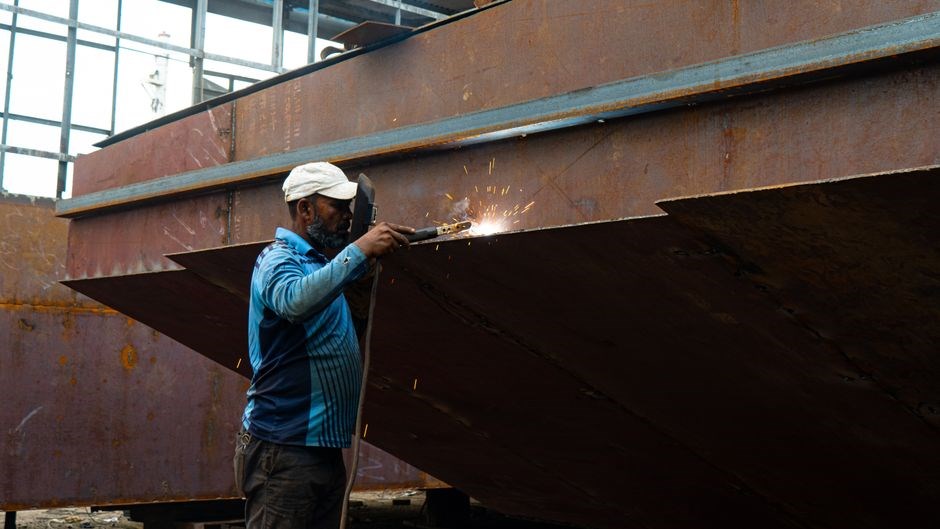
Key elements include process parameters, material specs, joint design, pre/post‑heat, PQR data, and compliance notes. The PDF format ensures all data is searchable, version‑controlled, and auditable, supporting ASME IX and AWS SWPS standards. It also covers welding symbols, root geometry, inspections.
Process Parameters, Materials, and Joint Design
In a WPS PDF, process parameters define the welding method, electrode type, current, voltage, travel speed, and shielding gas composition. These variables must align with ASME IX and AWS SWPS requirements, ensuring that the procedure is valid for all positions unless a specific position is explicitly excluded. The material section lists base metal composition, thickness, and any required pre‑heat or post‑heat treatments, referencing AWS D1.1 for stress‑relief heat treatment when contract drawings demand it. Joint design details are captured through sketches, production drawings, or written descriptions, showing part arrangement, root geometry, and groove dimensions. Root details may be specified for critical welds, and nonmetallic joint configurations are also documented when applicable. The WPS PDF integrates these elements with qualification data, such as PQR results, and includes compliance notes for AWS SWPS and ISO 9606 or AS/NZS 1554.4 standards. This comprehensive format supports quick reference, traceability, and digital workflow integration across projects. By embedding all these specifications into a single PDF, engineers can quickly validate welding setups, share updates with stakeholders, and maintain audit trails that satisfy regulatory bodies and project owners. The PDF format also facilitates integration with digital tools, enabling automated extraction of welding parameters for use in simulation models, quality management systems, and BIM workflows. Consequently, a well‑structured WPS PDF becomes an indispensable asset in modern welding projects, ensuring consistency, compliance, and efficient collaboration. Thus, a well‑structured WPS PDF is vital for consistency, compliance, and teamwork. Teams use the PDF’s structured layout to audit welding procedures, cross‑check compliance with local codes, and streamline handovers, enhancing quality overall safety.!!
Qualification Process and PQR
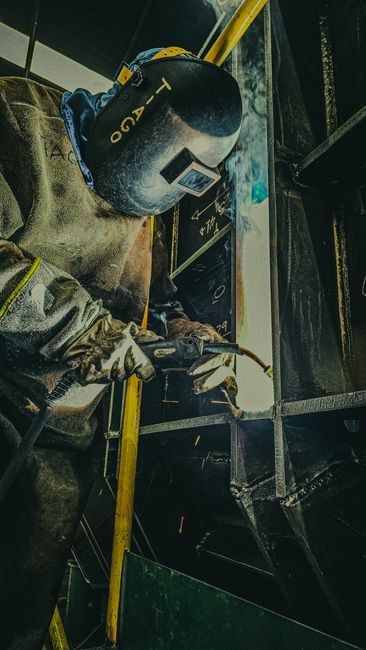
WPS PDFs record the Procedure Qualification Record (PQR), test welds, and inspection results. The qualification cycle follows ASME IX steps: design, test, review, and approval, ensuring the procedure meets all material and position requirements before deployment. and weld quality!.
Steps for Procedure Qualification and Recording
Design the WPS, specifying base material, filler, joint type, and welding position. 2. Perform a test weld in a controlled environment, ensuring wind and draft free conditions, and controlling humidity by heating the area. 3. Record all process parameters (current, voltage, travel speed, electrode type, preheat, interpass temperature) in the Procedure Qualification Record (PQR). 4. Inspect the test weld for cracking, porosity, and dimensional accuracy, using visual inspection and, if required, non‑destructive testing. 5. Compare the results against the qualification criteria set by ASME Section IX and AWS SWPS. 6. If the test weld meets all requirements, sign the PQR and issue the qualified WPS for use in production. 7. Archive the PQR and WPS in a secure, accessible repository, and maintain version control to track any future revisions. 8. For post‑weld heat treatment (PWHT) or stress‑relief, follow AWS D1.1 or ISO 9606 guidelines, documenting the heat‑treating parameters in the same record. 9. Periodically review the WPS and PQR to ensure continued compliance with updated codes or project specifications. 10. Conduct periodic audits of welding records to verify consistency between the WPS and actual work performed, ensuring traceability and compliance with audit requirements. 11. Update the WPS and PQR whenever changes occur in material, equipment, or code requirements, and re‑qualify the procedure if necessary to maintain certification. 12. Log all changes for audit trail !
Common Challenges and Mitigation
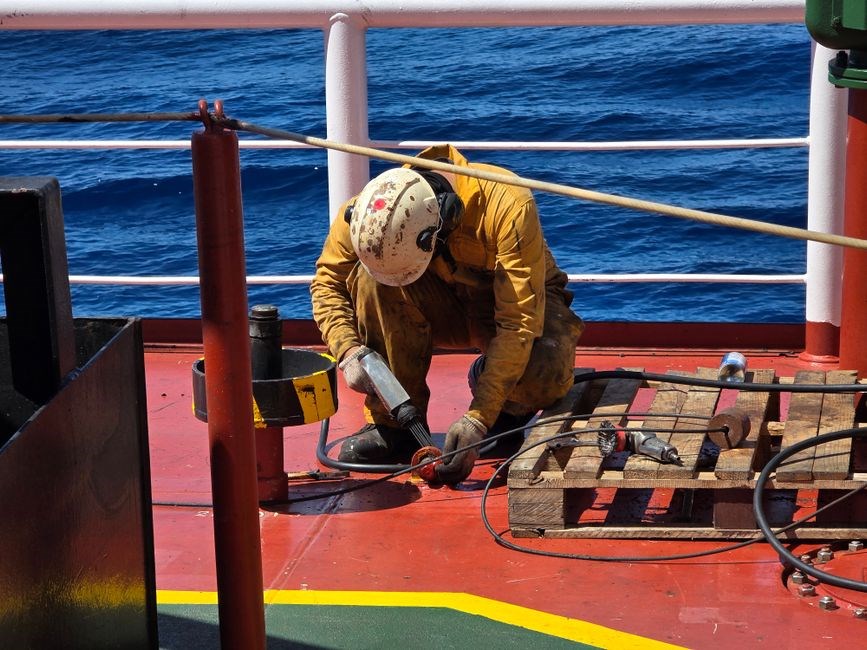
Cracking and porosity arise when wind or draft disturb the weld pool, or when humidity is high. Mitigation includes a wind‑free environment, pre‑heating the work area, using certified welders in AWS D1.1 or ISO 9606, and adhering to ASME IX and AWS SWPS parameters!!
Cracking, Porosity, and Environmental Controls
WPS PDFs must explicitly address cracking, porosity, and environmental controls to satisfy ASME IX and AWS SWPS requirements. Cracking is most prevalent in high‑strength steels when the weld pool cools too rapidly or when residual stresses exceed the material’s fracture toughness. Porosity results from trapped gases, often caused by inadequate shielding, high humidity, or contamination of the workpiece surface. Environmental controls are therefore critical: a wind‑free, draft‑free welding area reduces turbulence that can entrain air into the molten metal. The WPS should specify a minimum ambient temperature and humidity range; heating the work area or using dehumidifiers can keep moisture below the threshold that promotes porosity. The document should also require pre‑cleaning of the joint surfaces, the use of appropriate pre‑heat and inter‑pass temperatures for susceptible materials, and the application of post‑heat treatment when contract drawings or specifications call for stress‑relief. By embedding these controls directly into the PDF, project teams can audit compliance, trace defects back to specific procedure parameters, and implement corrective actions before the welds are inspected. This proactive approach not only reduces rework costs but also enhances the structural integrity and longevity of welded assemblies across all positions, as the qualification data in the WPS confirms that the procedure is valid for all positions unless otherwise specified by QW‑250 or QW‑203. The WPS PDF must document the inter‑pass, and treatment parameters for each material to prevent cracking and ensure weld integrity!
Best Practices for Creation and Distribution
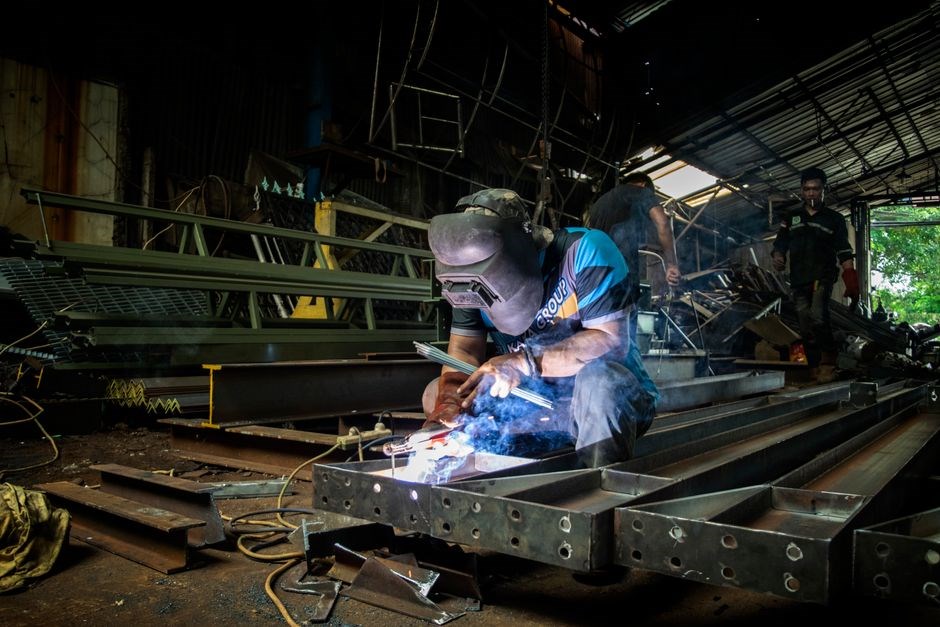
Use version control, assign IDs and embed metadata. Store PDFs in a centralized, access‑controlled repository. Ensure PDF/A compatibility for preservation. Link to related PQRs and joint designs. Train welders to locate and interpret WPS data now.!
Version Control, Archiving, and Accessibility
Implement a robust version control system for WPS PDFs. Assign a unique ID that includes project, revision, and date, and store the file in a secure, centralized repository such as a DMS or cloud platform that supports role‑based access. Use a naming convention that reflects the revision level (e.g., WPS‑001‑Rev‑03) and maintain a change log with author, date, and summary of changes. Version control should be linked to the QMS so that any change triggers a review and re‑qualification if required by ASME IX or AWS SWPS. Archive PDFs in PDF/A format to ensure long‑term readability and legal compliance. Store archived versions in a read‑only location and protect them with encryption. Accessibility is achieved by providing multiple access points: a web portal for field welders, a mobile app for on‑site verification, and an API for integration with BIM tools. Ensure the PDF contains embedded metadata (author, title, keywords) and is searchable by key terms such as “PQR,” “root groove,” or “heat‑treat.” Regular audits verify that the latest version is in use and that obsolete versions are marked or removed from active distribution lists. By combining rigorous version control, secure archiving, and broad accessibility, organizations maintain compliance, reduce errors, and support continuous improvement in welding operations.
Future Trends and Digitalization
Digital WPS tools now embed real‑time sensor data, AI‑driven defect prediction, and BIM integration, enabling instant updates to PDFs, automated compliance checks, and seamless traceability across projects. Cloud platforms and blockchain enhance security and auditability. Data streamline approvals quick.
Digital WPS Tools and Integration with BIM
Modern welding procedure specifications are increasingly stored in interactive PDF formats that embed XML metadata, allowing seamless exchange with Building Information Modeling (BIM) platforms. By linking WPS data to BIM models, engineers can automatically populate joint details, material selections, and welding positions directly into the 3‑D environment. This integration reduces manual data entry, eliminates transcription errors, and ensures that the welding plan remains synchronized with design changes in real time. Digital tools now support real‑time parameter monitoring, where sensor feeds from welding machines update the PDF in the cloud, enabling instant validation against ASME IX and AWS SWPS criteria. Advanced analytics, powered by machine‑learning algorithms, can flag potential defects such as porosity or cracking before the weld is completed, prompting corrective action. Furthermore, blockchain‑based ledger systems can record each revision of the WPS, guaranteeing traceability and compliance auditability across the project lifecycle. The convergence of digital WPS, BIM, and cloud analytics is driving a new era of data‑centric welding, where decision‑making is faster, more accurate, and fully auditable.
Digital workflows generate audit trails for regulatory compliance and certification. Embedding checklists and quality metrics turns the WPS PDF into a living document that evolves with each project, ensuring continuous improvement and knowledge retention!!