
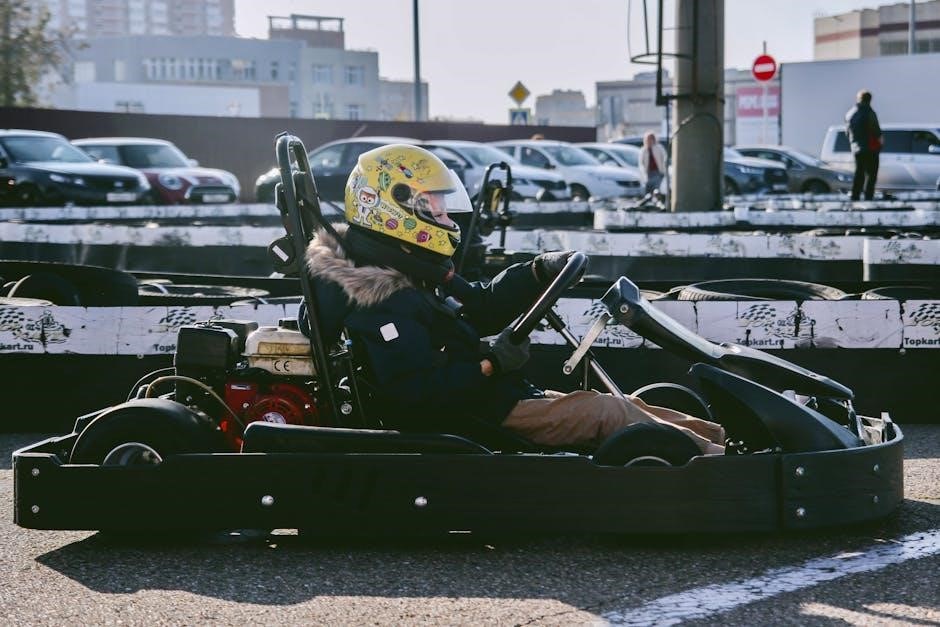
Go-kart manual clutches are vital for power transmission, engaging torque from the engine to the axle for forward motion, enhancing the racing experience significantly.
Proper installation, adjustment, and maintenance are crucial for optimal performance, ensuring reliable operation during racing or recreational karting activities.
Understanding these clutches unlocks potential for improved acceleration, control, and overall enjoyment while navigating various track conditions effectively.
What is a Manual Clutch in a Go-Kart?
A go-kart manual clutch is a mechanical device that connects and disconnects the engine’s power to the rear axle. Unlike automatic transmissions, it requires the driver to control engagement through engine speed and, sometimes, a lever. This clutch transmits torque from the crankshaft, enabling the kart to move forward.
Specifically, go-karts often utilize centrifugal clutches, which engage as engine RPM increases. These clutches feature shoes that expand outwards, gripping the clutch drum. This engagement process is fundamental to controlling acceleration and maintaining speed on the track. Proper clutch function is essential for a smooth and responsive driving experience.
Essentially, it’s the bridge between engine power and wheel rotation.
Why Use a Manual Clutch?
Manual clutches in go-karts offer several advantages, primarily enhanced control and responsiveness. Drivers can precisely manage power delivery, crucial for navigating corners and optimizing acceleration. This direct control isn’t achievable with automatic systems.
Furthermore, manual clutches are often more reliable and simpler to maintain than complex automatic transmissions. They are also generally more affordable, making them a popular choice for both recreational and competitive karting. Adjustability allows for fine-tuning to suit different track conditions and driving styles.
Ultimately, a manual clutch provides a more engaging driving experience.
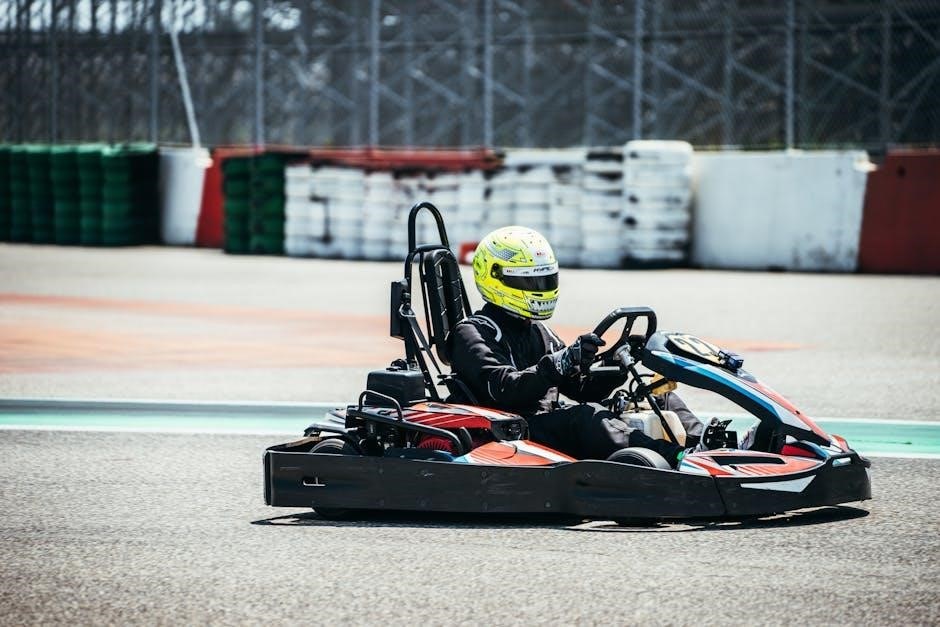
Understanding the Components
Go-kart clutches consist of key parts: centrifugal mechanisms, clutch shoes, springs, drums, and bearings, all working together to smoothly transfer engine power to the axle.
Centrifugal Clutch Mechanism
The centrifugal clutch is a cornerstone of go-kart power delivery, automatically engaging and disengaging based on engine RPM. As the engine spins faster, weighted shoes within the clutch fly outward.
This outward movement forces the shoes to grip the inner surface of the clutch drum, establishing a connection between the engine and the kart’s drive system.
Conversely, at lower RPMs, the springs pull the shoes inward, disengaging the connection and allowing the engine to idle without propelling the kart forward. This mechanism provides a simple, yet effective, means of automatic transmission.
Clutch Shoes and Springs
Clutch shoes, typically made of a friction material, are the key components that engage with the clutch drum to transmit power. Their surface condition directly impacts grip and overall clutch performance; scuffing enhances this.
Springs play a vital role in controlling engagement speed. Stiffer springs require higher RPMs for engagement, while softer springs allow for earlier engagement.
The interplay between shoe weight, spring tension, and drum surface creates the clutch’s characteristic engagement profile, influencing acceleration and low-end torque delivery on the go-kart.
Clutch Drum and Bearings
The clutch drum serves as the rotating surface against which the clutch shoes engage, initiating power transfer to the go-kart’s axle. Its internal smoothness is critical for consistent engagement and minimizing wear on the clutch shoes.
Bearings facilitate smooth rotation of the clutch drum, reducing friction and ensuring efficient power delivery. Regular inspection and lubrication of these bearings are essential for preventing premature failure.
Proper alignment and secure mounting of the drum are paramount; any wobble or misalignment can lead to erratic clutch behavior and reduced performance on the track.

Installation Process
Proper alignment and secure mounting of the clutch to the engine shaft are key steps for smooth operation and optimal performance on any go-kart.
Aligning the Clutch
Achieving precise alignment is paramount during go-kart clutch installation. Begin by ensuring the engine shaft and clutch bore are perfectly concentric. Any misalignment can lead to premature wear, reduced performance, and potential damage to components.
Utilize a straight edge or alignment tool to verify that the clutch drum runs true with the engine shaft. Carefully check for any wobble or deviation. A properly aligned clutch minimizes vibration and maximizes power transfer efficiency.
Double-check the alignment before fully securing the clutch, as adjustments become difficult once tightened. This meticulous step sets the foundation for a reliable and high-performing go-kart clutch system.
Mounting the Clutch to the Engine Shaft
Carefully slide the clutch onto the engine shaft, ensuring a snug but not forced fit. Apply a small amount of lubricant, specifically designed for this purpose, to facilitate smooth engagement and prevent galling. Secure the clutch using the appropriate keyway or splined connection, verifying full insertion.
Tighten the mounting hardware gradually and evenly, following the manufacturer’s torque specifications. Avoid over-tightening, which can damage the shaft or clutch components. Regularly inspect the keyway for wear or deformation.
A secure mounting ensures proper power transmission and prevents slippage during operation, contributing to optimal go-kart performance and rider safety.
Securing the Clutch Drum
After mounting the clutch, carefully position the clutch drum over the clutch assembly. Ensure proper alignment with the engine and driven sprocket to minimize wear and maximize efficiency. Secure the drum using the designated bolts or fasteners, tightening them in a star pattern.
This prevents uneven pressure and potential warping. Verify the drum spins freely without binding, indicating correct installation. Regularly check the fasteners for looseness during maintenance.
A properly secured drum is crucial for consistent clutch engagement and reliable power transfer, contributing to a smooth and controlled go-kart driving experience.
Clutch Adjustment – Basic Methods
Adjusting a go-kart clutch involves modifying engagement speed via spring tension or shoe positioning, optimizing power delivery for varied track conditions and driving styles;
Two simple methods exist for fine-tuning clutch performance, ensuring smooth acceleration and efficient power transfer during karting activities.
Adjusting Clutch Engagement Speed (Method 1)
Method 1 for adjusting go-kart clutch engagement speed typically involves manipulating the clutch springs. These springs dictate when the clutch shoes begin to contact the drum, initiating power transfer.
Loosening the spring bolts allows for a lower engagement speed, ideal for low-traction surfaces or maximizing acceleration from a standstill. Conversely, tightening these bolts increases spring tension, raising the engagement speed.
This is beneficial for higher-speed tracks where a quicker launch isn’t as critical, and maintaining consistent power throughout the RPM range is preferred. Small adjustments are key; incrementally tighten or loosen the bolts and test the kart’s performance after each change.
Remember to ensure even tension on all springs for balanced clutch operation.
Adjusting Clutch Engagement Speed (Method 2)
Method 2 focuses on adjusting the clutch shoes themselves to fine-tune engagement speed. This involves carefully filing or grinding the surface of the clutch shoes, altering their effective diameter.
Reducing the shoe’s diameter lowers engagement speed, providing a softer launch but potentially sacrificing top-end power. Increasing the diameter raises engagement, offering quicker response but demanding more from the engine initially.
This method requires precision; excessive material removal can damage the shoes and compromise clutch performance. Always file evenly across all shoes to maintain balance and prevent uneven wear.
This is an advanced technique best suited for experienced kart mechanics.
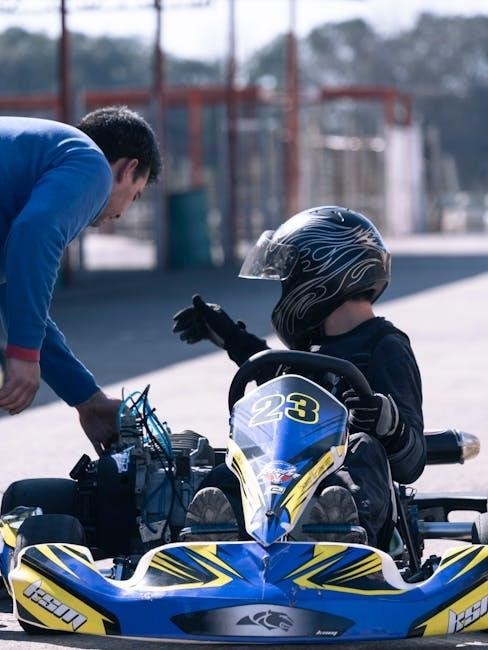
Optimizing Clutch Performance
Optimizing a go-kart clutch involves upgrading components, adjusting settings, and scuffing shoes for enhanced grip, leading to improved acceleration and overall control.
High-performance clutches offer significant gains, tailoring the power delivery to specific track demands and driving styles effectively;
Upgrading Clutch Components
Upgrading your go-kart’s manual clutch components is a direct path to enhanced performance and reliability. Consider replacing standard clutch shoes with high-performance alternatives crafted from more durable materials, offering improved grip and heat resistance.
Investing in upgraded springs allows for precise tuning of engagement speed and power delivery, matching the clutch characteristics to your engine’s output and track conditions. Furthermore, a reinforced clutch drum can withstand higher RPMs and prolonged use without deformation.
Premium bearings minimize friction, ensuring smoother operation and maximizing power transfer. These upgrades collectively contribute to faster acceleration, consistent performance, and extended clutch lifespan, ultimately elevating your racing experience.
Scuffing Clutch Shoes for Grip
Scuffing new clutch shoes is a critical step in optimizing performance, as factory-fresh shoes often possess a glazed surface that reduces initial grip. This process involves carefully breaking down that glazing to expose a more abrasive surface, promoting immediate and consistent engagement.
Utilize sandpaper (80-120 grit) or a specialized scuffing tool, applying light pressure and circular motions to the friction surface of each shoe. Ensure even scuffing across the entire surface, avoiding excessive removal of material.
Properly scuffed shoes deliver enhanced bite, minimizing slippage and maximizing power transfer from the engine to the drivetrain, resulting in quicker acceleration and improved overall kart performance.
High-Performance Clutch Options
For serious racers seeking a competitive edge, upgrading to high-performance clutch options is a worthwhile investment. These clutches utilize advanced materials and designs to deliver superior engagement, durability, and tunability compared to standard models.
Options include clutches with enhanced spring configurations, allowing for precise control over engagement RPM, and those featuring improved drum designs for better heat dissipation. Ceramic clutch shoes offer increased friction and resistance to wear.
Investing in a high-performance clutch translates to quicker acceleration, smoother power delivery, and ultimately, faster lap times, providing a significant advantage on the track.

Troubleshooting Common Issues
Common clutch problems include slipping, failure to engage, and excessive vibration; addressing these promptly is crucial for maintaining performance and preventing further damage.
Regular inspection and understanding potential causes will help diagnose and resolve issues, getting you back on the track quickly.
Clutch Slipping Problems
Clutch slipping manifests as the engine revving higher without a corresponding increase in kart speed, indicating insufficient grip between the clutch shoes and drum.
Several factors contribute to this issue, including worn clutch shoes, contaminated surfaces (oil or grease), weak clutch springs, or improper adjustment.
Worn shoes lack the necessary friction, while contaminants reduce grip. Weak springs fail to apply adequate pressure, and incorrect settings hinder engagement.
To resolve slipping, inspect shoes for wear and replace if needed; thoroughly clean all components with a suitable solvent; check spring tension and replace weak springs; and readjust the clutch according to manufacturer specifications.
Scuffing new shoes can also improve initial grip.
Clutch Not Engaging
A go-kart clutch failing to engage results in the kart remaining stationary even with the engine running, a frustrating issue for any driver.
Common causes include excessively tight clutch springs preventing shoe movement, a damaged or seized clutch drum, or incorrect clutch alignment during installation.
Additionally, debris lodged between the shoes and drum can obstruct engagement. Inspect the springs for proper tension and replace if overly stiff.
Ensure the drum rotates freely and isn’t damaged. Verify correct alignment and remove any obstructions. Adjusting the clutch may also resolve the issue, allowing for proper engagement.
Proper maintenance is key to preventing this problem.
Excessive Vibration
Go-kart clutch vibration often signals an imbalance or misalignment within the system, creating an uncomfortable and potentially damaging driving experience.
Common culprits include worn or damaged clutch shoes, a bent or warped clutch drum, or loose mounting hardware securing the clutch assembly to the engine.
Inspect the shoes for uneven wear and replace them if necessary. Check the drum for any signs of deformation and ensure it spins true.
Tighten all mounting bolts securely. Bearing failure can also cause vibration; inspect and replace worn bearings promptly. Addressing these issues will restore smooth operation.
Regular inspection is crucial for preventing excessive vibration.
Maintenance and Care
Regular cleaning, lubrication, and inspection for wear are essential for a reliable go-kart clutch, maximizing performance and extending its lifespan significantly.
Consistent upkeep prevents issues and ensures optimal engagement, contributing to a smoother and more enjoyable karting experience overall.
Regular Cleaning Procedures
Maintaining a clean clutch is paramount for optimal function. After each use, or regularly depending on conditions, remove debris like dirt, dust, and grime using a brush and solvent.
Pay close attention to the clutch shoes, drum, and spring areas, ensuring no buildup impedes movement. Avoid harsh chemicals that could damage components; mild degreasers are preferable.
Inspect for worn or broken parts during cleaning. A clean clutch operates more efficiently, preventing slipping and ensuring consistent engagement. Thorough cleaning extends the clutch’s lifespan and improves performance.
Remember to dry all parts completely before reassembly to prevent rust and corrosion, contributing to long-term reliability.
Lubrication of Clutch Components
Proper lubrication is essential for smooth clutch operation and longevity. Focus on the clutch drum bearings, applying a light coat of high-temperature grease to ensure free rotation.
Avoid over-lubrication, as excess grease can attract dirt and debris, creating a grinding paste. The engine shaft and clutch engagement surfaces generally shouldn’t be lubricated.
Regularly check lubrication levels and reapply as needed, especially after exposure to wet or dusty conditions. Using the correct lubricant minimizes friction and wear, extending component life.
This simple maintenance step contributes significantly to consistent clutch performance and prevents premature failure, keeping you on the track longer.
Inspecting for Wear and Tear
Regular inspection is critical for identifying potential issues before they escalate. Examine the clutch shoes for excessive wear, glazing, or cracking – these indicate the need for replacement.
Check the clutch springs for fatigue or breakage; weakened springs reduce clamping force and cause slippage. Inspect the clutch drum for damage, scoring, or warping, impacting engagement.
Also, assess the bearings for smoothness and play; rough bearings create friction and reduce efficiency. Early detection of wear allows for timely repairs, preventing costly breakdowns.
Consistent inspection ensures optimal clutch performance and safety, maximizing your go-karting experience and minimizing unexpected mechanical failures on the track.
Advanced Techniques
Fine-tuning involves adjusting for track conditions and understanding spring rates, optimizing clutch performance for enhanced acceleration and precise control during competitive racing.
Mastering these techniques unlocks peak performance, allowing drivers to adapt to varying terrains and maximize their go-kart’s potential effectively.
Clutch Tuning for Different Track Conditions
Adapting your go-kart’s manual clutch to varying track conditions is paramount for consistent performance. A slick, low-grip surface demands a clutch setup that allows for smoother engagement, preventing wheelspin and maximizing traction. This often involves softer spring rates or adjustments to delay engagement.
Conversely, a high-grip track benefits from a more aggressive clutch engagement, delivering quicker acceleration. Stiffer springs or adjustments to engage earlier can be employed. Consider track temperature; hotter conditions may necessitate adjustments to prevent overheating and maintain consistent clutch behavior. Experimentation and careful observation are key to finding the optimal settings for each unique racing environment.
Understanding Spring Rates and Their Impact
Clutch spring rates directly influence engagement speed and overall clutch behavior. Lower spring rates offer easier engagement, ideal for low-traction surfaces or novice drivers, providing a smoother power delivery. However, they may result in some slippage at higher speeds.
Higher spring rates deliver quicker, more aggressive engagement, maximizing acceleration on high-grip tracks. This demands precise control and can be challenging for less experienced drivers. Selecting the correct spring rate involves balancing responsiveness with drivability, considering engine power and track conditions. Experimentation is crucial to find the optimal balance for your specific setup.
Safety Precautions
Always utilize proper tools and protective gear—gloves and eye protection—during maintenance. Disconnect the spark plug to prevent accidental starting while working on the clutch.
Proper Tools and Equipment
Essential tools for go-kart clutch maintenance include a clutch removal tool, specifically designed to compress the spring and safely remove the clutch drum. A socket wrench set, covering various sizes, is crucial for disassembling and reassembling components. You’ll also need screwdrivers – both flathead and Phillips head – for adjustments and securing parts.
A torque wrench is vital for tightening bolts to the manufacturer’s specifications, preventing damage. Additionally, a good pair of pliers, a hammer, and potentially a file for deburring are beneficial. Always ensure tools are in good working condition before starting any maintenance procedure for safety and efficiency.
Protective Gear During Maintenance
Prioritizing safety is paramount when working on a go-kart clutch. Always wear safety glasses to protect your eyes from debris, especially during disassembly and spring compression. Gloves are essential to shield your hands from sharp edges and potential burns from hot engine components.
Closed-toe shoes are a must, providing foot protection. Depending on the task, consider wearing long sleeves and pants to prevent scrapes and cuts. A face shield offers additional protection, particularly when dealing with the clutch spring. Remember, preventative measures ensure a safe and efficient maintenance process.